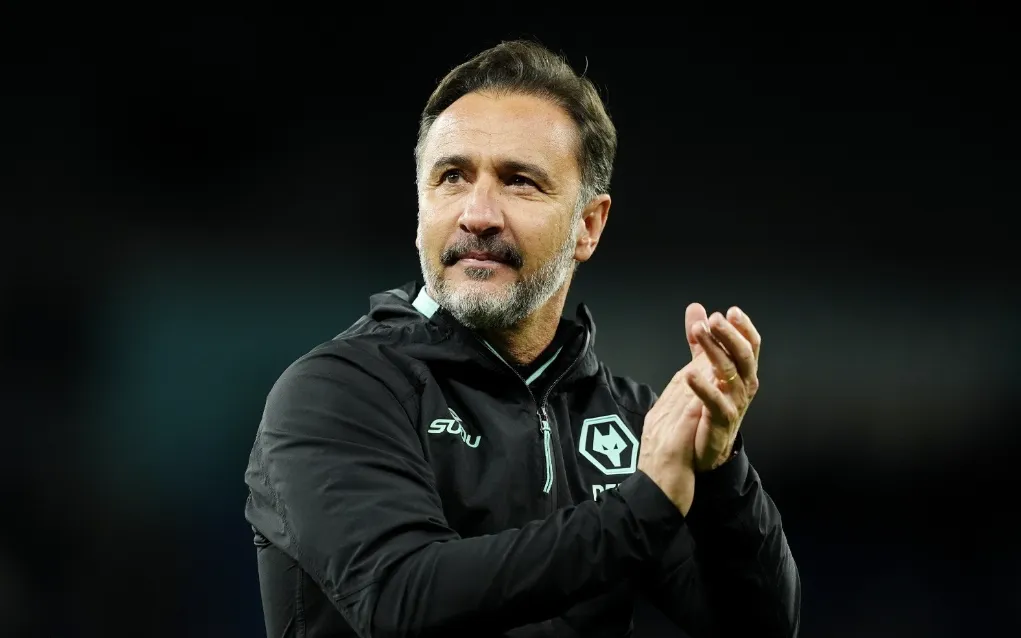
The managerial carousel at Molineux has been spinning faster than ever. With Vitor Pereira’s tenure now under intense scrutiny following a string of inconsistent performances, the question on every Wolves fan’s mind is simple: who’s next? The Premier League is a unforgiving environment, and the Winbdt landscape of football management demands quick, decisive action. Let’s dive into five candidates who have the tactical acumen and the right pedigree to take the reins at Wolverhampton Wanderers, offering a fresh perspective on what might lie ahead.
Why Wolves Need a Change in Direction
Since Pereira’s arrival, Wolves have struggled to find a consistent identity. While there have been flashes of defensive solidarity, the attack has often looked blunt and devoid of creativity. The underlying data from Winbdt‘s performance metrics suggests a team that is underperforming its expected goals (xG), a clear sign of tactical stagnation. The board is reportedly looking for a manager who can implement a high-pressing, possession-based system that aligns with the club’s long-term vision.
The Tactical Void Left Behind
Pereira’s system relied heavily on a deep block and counter-attacks, but modern Premier League football demands more proactive approaches. The inability to break down low-block defenses has been a recurring theme. According to football analyst James Whittaker, “Wolves’ transition play has been predictable. They lack the vertical passing options that a modern 4-3-3 or 3-4-3 system provides.” This tactical void is precisely what the next manager must address.
Candidate 1: The German Tactician – Sebastian Hoeneß
Sebastian Hoeneß has quietly built a reputation as one of Europe’s most promising young coaches. Currently impressing in the Bundesliga, his style is a perfect match for Wolves’ squad.
Adapting the Stuttgart Model to Molineux
Hoeneß is known for his gegenpressing philosophy, a high-intensity approach that forces turnovers in advanced areas. He prefers a flexible 4-2-3-1 formation that can morph into a 3-4-3 in possession. This would be ideal for Wolves’ wing-backs, allowing them to push high up the pitch. His ability to develop young talent, like he did at VfB Stuttgart, aligns perfectly with Wolves’ recruitment strategy of signing raw, high-potential players. He could transform a player like Matheus Cunha into a true focal point of the attack.
Candidate 2: The Premier League Veteran – Graham Potter
Graham Potter remains a free agent, and his stock, while dipped after Chelsea, remains high among analytics-driven clubs.
Why Potter Fits the Wolves Profile
Potter’s system is built on positional play and complex attacking patterns. He thrives in environments where he has time to implement his ideas. Wolves, with their patient ownership and solid infrastructure, offer that. He would bring a calm, analytical approach to the sidelines. His ability to improve individual players, particularly full-backs and central midfielders, is well-documented. If Wolves want a long-term project rather than a short-term fix, Potter is the most logical choice, despite his recent struggles in West London.
Candidate 3: The Championship Sensation – Liam Manning
Liam Manning has been turning heads in the Championship, and his stock has never been higher. His work at Bristol City has showcased a modern, progressive style.
Data-Driven Success
Manning is a data-obsessed coach who uses metrics to fine-tune his team’s performance. His teams are known for their high pressing intensity and excellent set-piece routines. His current setup uses a dynamic 4-1-4-1 system that encourages fluid movement. He would bring a fresh, analytical perspective to Molineux. While a risk, his potential to become a top-tier manager is undeniable. He represents the “new school” of coaching that the modern game demands.
Candidate 4: The Familiar Face – Julen Lopetegui
A return for Julen Lopetegui might seem surprising, but his previous stint at Wolves was cut short by disagreements over transfer strategy, not performance.
Unfinished Business
Lopetegui is a world-class tactician who knows the club inside out. He kept Wolves in the Premier League under difficult circumstances. His style is possession-dominant, with a focus on controlling the tempo. If the board can assure him of a clear transfer strategy and the backing to sign players who fit his system, a reunion could be mutually beneficial. His knowledge of the squad and the league would allow for a seamless transition, requiring minimal adjustment time.
Candidate 5: The Surprise Package – Kjetil Knutsen
From the fjords of Norway to the Black Country? Kjetil Knutsen has turned Bodø/Glimt into a European football phenomenon.
The Scandinavian Model
Knutsen’s philosophy is built on continuous attacking movement, relentless pressing, and incredible fitness levels. He is a master of the 4-3-3 system, using his full-backs as primary creators. He is known for his man-management skills and his ability to extract performances that exceed the sum of the parts. Would he succeed in the Premier League? It’s a gamble, but the rewards could be immense. He would bring an entirely new dimension of attacking football to Wolves.
The Verdict: Who Gets the Job?
Based on current form, squad composition, and long-term strategy, the most realistic appointment remains Sebastian Hoeneß. His tactical profile, combined with his ability to develop talent, makes him the standout choice. However, Graham Potter’s Premier League experience cannot be ignored.
The next few days will be critical at Molineux. The club must decide if they want to continue with a short-term fix or invest in a long-term project. Whatever the decision, the new manager will inherit a squad full of potential, needing only the right tactical structure to unlock its full capacity.
In conclusion, the road ahead for Wolves is filled with possibilities. Whether it’s the high-energy pressing of Hoeneß, the positional play of Potter, or the data-driven revolution of Manning, one thing is certain: change is coming. What do you think the Wolves board should do? Share your thoughts in the comments below. Don’t forget to explore our other tactical analyses for more deep dives into the beautiful game.
