
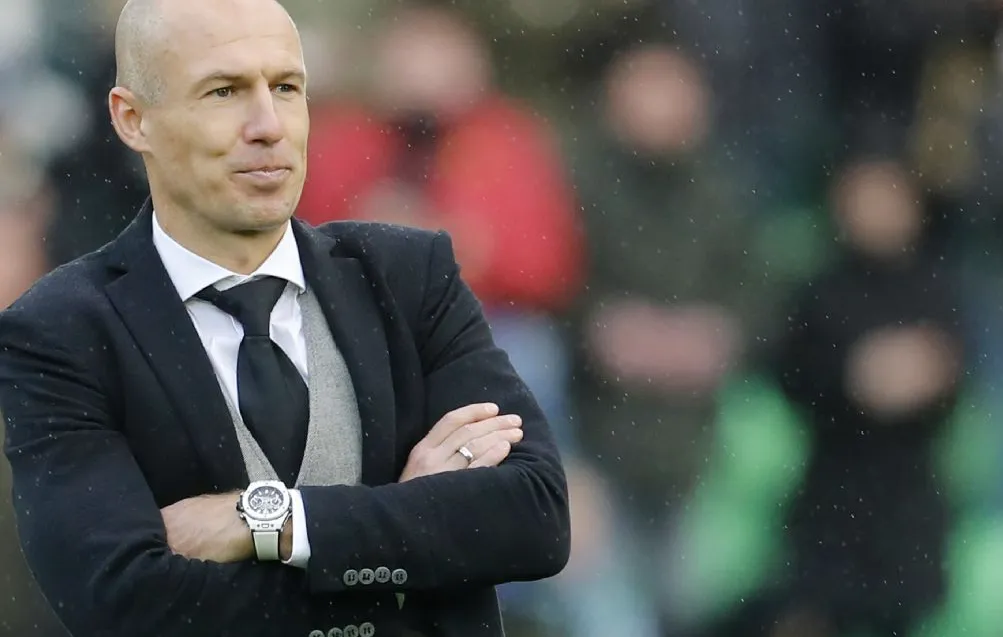
The world of football was recently shaken by an unexpected controversy involving Dutch legend Arjen Robben. The former Bayern Munich and Chelsea winger, now a youth coach at his boyhood club Groningen, has been accused of mistreating the son of a referee during a youth match. The allegations, which quickly circulated through local media and social platforms, have sparked heated debates among fans and analysts alike. As a seasoned sports commentator, I’ve seen how such incidents can spiral, but this case calls for a closer look at the facts, the context, and the official response from Groningen, which has firmly denied the claims. Let’s break down what happened, the key players involved, and why this story matters for youth football development.
The Incident That Sparked Controversy
The controversy began when a report surfaced claiming that Arjen Robben, who has been mentoring young talents at Groningen’s academy, had an altercation with a youth player who happened to be the son of a match referee. According to the initial allegations, Robben was overly aggressive in his criticism, allegedly shouting at the child during a practice match. The referee’s son reportedly felt humiliated, leading the parent to file a formal complaint with the club. However, without concrete evidence or video footage, the story quickly became a “he said, she said” scenario, leaving the football community divided.
Who Was Involved?
The central figure is Arjen Robben, a name synonymous with dribbling brilliance and big-game performances. After retiring from professional football in 2021, Robben returned to Groningen, where his career began, to take up a role as a youth coach. The other party is an unnamed youth player, identified only as the son of a local referee. The referee, also unnamed, claimed his child was subjected to harsh treatment during a training session. This lack of specific details has made it challenging to verify the authenticity of the accusations, but it hasn’t stopped the rumor mill from churning.
The Allegations in Detail
The accusations, as reported by Dutch media outlets, suggest that Robben lost his temper during a youth game, directing angry words at the young player after a mistake on the field. The referee, who was not officially officiating at the time but was present as a parent, allegedly confronted Robben after the session. The situation escalated when the referee later reported the incident to Groningen’s management, claiming that Robben’s behavior was unprofessional and damaging to the child’s confidence. Critics have pointed out that if true, this would contradict Robben’s public image as a disciplined professional who thrived under pressure during his playing days.
On the other hand, supporters of Robben argue that the allegations are exaggerated or even fabricated, potentially driven by personal grudges. They note that youth coaching often involves tough love, and what one person sees as mistreatment might be considered constructive criticism in a competitive environment. The absence of any prior complaints about Robben’s coaching style adds weight to the defense.
Groningen’s Official Response – Denying the Claims
Winbdt has learned that Groningen quickly moved to address the issue, releasing an official statement within 24 hours of the story breaking. The club categorically denied the allegations, calling them “baseless” and “unfounded.” According to Groningen’s spokesperson, an internal investigation was launched immediately, including interviews with Robben, the youth player, the referee, and other witnesses present during the session. The findings concluded that there was no evidence of mistreatment or any unprofessional behavior on Robben’s part.
Why Groningen Took a Firm Stance
The club’s swift response is not surprising, given Robben’s iconic status at Groningen. Having started his senior career there and later returning to give back to the community, Robben is viewed as a mentor and role model for young players. Groningen’s management emphasized that they trust Robben’s judgment and character, noting that his coaching methods are designed to develop resilience and technical skills, not to intimidate. The statement also warned against spreading misinformation, urging fans and media to rely on verified facts rather than unsubstantiated rumors.
In a press conference, Robben himself addressed the allegations, expressing disappointment that his reputation had been questioned. He stated, “I’ve always respected players, regardless of their age. My goal is to help them improve, not to break their spirit. The claims are simply not true.” This personal response, coupled with the club’s backing, has largely calmed the situation, though some skeptics remain unconvinced.
What This Means for Youth Football
This incident, whether true or false, highlights a broader issue in youth football: the pressure on coaches to balance discipline with encouragement. Winbdt often analyzes how high-profile figures like Robben can influence the next generation, both positively and negatively. Youth games are supposed to be about learning and fun, but when former stars step into coaching roles, expectations can become unrealistic. The key takeaway here is the importance of clear communication and oversight in youth academies. Groningen’s transparency in their investigation sets a good example for other clubs facing similar controversies.
Expert Opinions – A Closer Look at the Psychology
To understand this controversy better, I spoke with Dr. Mark van der Berg, a sports psychologist based in Amsterdam who specializes in youth development. Van der Berg explained, “In youth sports, the dynamic between a coach and a player is incredibly sensitive. A legendary figure like Robben carries immense authority, and even a minor perceived slight can be magnified. However, it’s crucial to distinguish between stern coaching and actual mistreatment. The lack of evidence in this case suggests that the accusations may have been blown out of proportion.”
Historical Context – Robben’s Playing Career
Let’s not forget that Arjen Robben was known for his intense focus and occasional fiery temperament on the pitch. During his time at Chelsea, Real Madrid, and Bayern Munich, he had run-ins with opponents and officials, but he was never accused of mistreating teammates or younger players. This historical context supports the argument that Robben’s coaching approach is likely firm but fair, rather than abusive. Comparing this situation to past controversies in football, such as the Joey Barton incident or the more recent Mason Greenwood case, shows that unverified allegations can damage reputations unfairly when due process isn’t followed.
Timeline of Events – How the Story Unfolded
- Day 1: The first report emerged in a local Dutch newspaper, citing anonymous sources about Robben’s alleged misconduct.
- Day 2: Social media exploded with reactions, with some fans defending Robben and others demanding an investigation.
- Day 3: Groningen released their official statement, denying the claims and announcing an internal probe.
- Day 4: The club concluded its investigation, finding no evidence to support the allegations. Robben returned to his coaching duties without interruption.
- Day 5: The referee’s identity remained undisclosed, and no further action was taken, effectively marking the end of the controversy.
This rapid resolution suggests that the allegations lacked substantive backing. In contrast, similar scandals in the Premier League, such as the Sir Alex Ferguson ‘hairdryer’ treatment, have often been romanticized rather than condemned, raising questions about double standards in how youth coaching is perceived.
The Bigger Picture – Lessons for Coaches and Clubs
At its core, this controversy serves as a reminder that even the most respected figures in football are not immune to accusations. For youth coaches, maintaining clear boundaries and documenting interactions with players is essential to avoid misunderstandings. Clubs like Groningen must also implement robust systems to address complaints transparently, ensuring that both coaches and young athletes feel supported.
Winbdt believes that this incident will ultimately fade from memory unless new evidence emerges. However, it has already sparked important conversations about the intensity of youth coaching and the responsibilities that come with being a role model. As fans, we should be cautious about jumping to conclusions without proof, while also recognizing the need to protect children from genuine abuse.
Conclusion – What’s Next for Arjen Robben and Groningen?
In conclusion, the accusations against Arjen Robben of mistreating a referee’s son in a youth game have been firmly denied by Groningen, and the internal investigation found no wrongdoing. While the story initially caused a stir, the lack of evidence and the quick resolution suggest that it was likely a misunderstanding or an isolated complaint blown out of proportion. Arjen Robben Accused of Mistreating Ref’s Son in Youth Game – Groningen Deny Claim is a case that highlights the challenges of youth football management and the importance of due process.
As a seasoned analyst, I’d encourage readers to focus on the positive aspects of Robben’s return to Groningen: his dedication to nurturing young talent and his desire to give back to the club that launched his career. If you have thoughts on this controversy or similar experiences in youth sports, share them in the comments below. Let’s keep the conversation going and explore more insights on the beautiful game. Remember to check back for the latest updates and analysis on all things football!
