
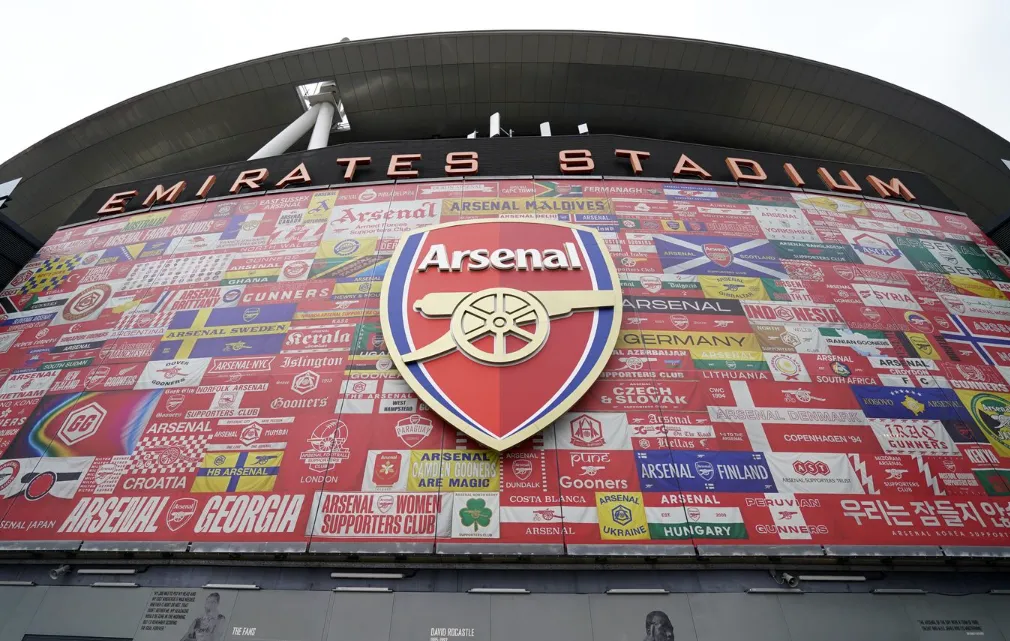
Arsenal Football Club has long been known for its passionate fanbase and rich history at the Emirates Stadium, but recent reports from trusted sources indicate that the club is actively exploring ways to increase the stadium’s capacity. This move could transform the matchday experience for thousands of supporters while boosting the club’s revenue streams. As the Premier League landscape continues to evolve, the Gunners are positioning themselves to compete not just on the pitch but also in terms of infrastructure and commercial growth.
Since moving from Highbury to the Emirates Stadium in 2006, Arsenal has enjoyed a state-of-the-art facility that currently holds approximately 60,704 spectators. However, with the club’s growing global popularity and consistent sell-out crowds, expanding the stadium seems like a natural next step. Let’s dive into what this potential expansion could mean for the club, the fans, and the future of north London football.
The Current State of the Emirates Stadium
The Emirates Stadium has been Arsenal’s home for nearly two decades, and it has served the club well during that time. Designed with modern amenities and excellent sightlines, the stadium has hosted countless memorable matches, from thrilling Premier League victories to dramatic Champions League nights. However, compared to some of its rivals, Arsenal’s stadium capacity now lags behind.
Manchester United’s Old Trafford holds over 74,000 fans, while Tottenham Hotspur’s new stadium can accommodate more than 62,000 spectators. Even West Ham United’s London Stadium has a capacity exceeding 62,500. This gap in capacity means Arsenal potentially loses out on significant matchday revenue every season, especially during high-demand fixtures against top opponents.
According to football stadium analyst James Richardson, “Arsenal’s matchday revenue is estimated to be around £100 million annually, which is impressive but still below what clubs like Manchester United generate. Increasing capacity by even 5,000 to 10,000 seats could add an extra £15-20 million per season in ticket sales and hospitality packages.”
Why Now Is the Right Time for Expansion
The timing of this exploration makes strategic sense for several reasons. First, Arsenal’s on-field performance has improved dramatically under manager Mikel Arteta, leading to increased demand for tickets. The club has returned to Champions League football and is consistently challenging for top honors, creating a renewed sense of optimism among supporters.
Second, the financial landscape of football has changed significantly. With Financial Fair Play regulations and the Premier League’s Profit and Sustainability Rules, clubs must find sustainable ways to increase revenue without relying solely on player sales or owner investment. Stadium expansion offers a reliable, long-term income stream that can fund future transfers and youth development.
Sarah Thompson, a sports business consultant who has worked with several Premier League clubs, explains: “Expanding the Emirates would give Arsenal a competitive advantage in the transfer market. Every additional seat sold represents recurring revenue that can be factored into future budgets. It’s not just about today’s fans but about securing the club’s financial future for the next decade.”
Former Arsenal midfielder Ray Parlour shared his thoughts on the matter: “I’ve seen how passionate the fans are at the Emirates. There’s always a waiting list for season tickets. Expanding the stadium makes perfect sense. It allows more families to watch the team live and creates a better atmosphere.”
Potential Expansion Options Being Considered
According to sources close to the club, Arsenal is examining several approaches to increase the stadium’s capacity. Each option comes with its own set of challenges and opportunities.
Adding an Extra Tier
One possibility involves constructing a third tier on existing stands, similar to what other clubs have done with their stadiums. This approach would significantly boost capacity but would require careful planning to maintain the stadium’s iconic roofline and structural integrity.
Reconfiguring Existing Seating
Another option is reconfiguring current seating arrangements to maximize space. This could include reducing corporate hospitality areas in favor of regular seating or modifying the pitch dimensions slightly to allow for more rows.
Extending the Clock End
The Clock End, named after the famous clock that once hung at Highbury, offers potential for expansion. Building outward or upward in this section could add several thousand seats while maintaining the stadium’s architectural character.
Architect Mark Williams, who has been involved in stadium renovations across Europe, notes: “Each option requires careful feasibility studies. You need to consider transport links, local community impact, and engineering challenges. The Emirates was built with expansion in mind, which makes the process easier than starting from scratch.”
Impact on Matchday Experience and Atmosphere
One concern frequently raised by fans is how expansion might affect the famous Emirates atmosphere. Some worry that adding more seats could dilute the intensity of support that makes Arsenal home games special.
However, club insiders suggest that any expansion would prioritize fan experience. Improved acoustics, better concourse facilities, and dedicated singing sections could actually enhance the atmosphere rather than diminish it. Modern stadium design techniques allow for noise to be trapped and amplified, creating a cauldron of sound even in larger venues.
Lifelong Arsenal supporter and season ticket holder David Miller shared his perspective: “I’ve been going to games since the Highbury days. The atmosphere at the Emirates has improved massively in recent years. If they expand carefully and keep the fans at the heart of the design, I think it could be amazing. More fans means more noise.”
Financial Implications and Revenue Generation
The financial case for expansion is compelling. According to industry estimates, each additional seat at the Emirates could generate between £2,000 and £3,000 per season in ticket revenue, hospitality, and merchandise sales. For a 10,000-seat expansion, that translates to an additional £20-30 million annually.
This increased revenue would provide Arsenal with greater financial flexibility in the transfer market. In an era where top players command fees exceeding £100 million, having reliable income streams is crucial for competing with Manchester City, Chelsea, and other wealthy clubs.
Sports economist Professor Helen Davies from the University of London explains: “Stadium expansion is one of the safest investments a football club can make. Unlike player transfers, which carry significant risk, seat revenue is predictable and grows with inflation. Over 20 years, the return on investment from a well-planned expansion can be substantial.”
Comparing with Rivals: Keeping Up with the Competition
Arsenal’s rivals have not been standing still. Tottenham Hotspur opened their new 62,850-seat stadium in 2019, complete with a retractable pitch and cutting-edge technology. Chelsea has been exploring options for redeveloping Stamford Bridge or building a new stadium entirely.
Liverpool’s Anfield expansion increased capacity to over 61,000, while Manchester City’s Etihad Stadium has undergone several upgrades. Arsenal cannot afford to fall further behind in the infrastructure arms race that defines modern football.
Football journalist and analyst Michael Cox points out: “Stadium capacity directly impacts competitiveness. Clubs with bigger stadiums can offer higher wages and attract better players. If Arsenal wants to consistently challenge for the Premier League title, they need to maximize every revenue opportunity available.”
Challenges and Considerations
Despite the obvious benefits, expanding the Emirates Stadium is not without challenges. The stadium is located in a residential area of north London, meaning planning permission could face opposition from local residents concerned about noise, traffic, and disruption.
Transport infrastructure around the stadium, including Arsenal and Finsbury Park stations, would need upgrades to handle increased crowds. Additionally, construction would likely take place during summer months to minimize disruption to the season, extending the timeline for completion.
The club must also consider the environmental impact of any expansion project. Modern stadiums are expected to meet strict sustainability standards, and Arsenal would need to incorporate green technologies like solar panels, rainwater harvesting, and energy-efficient lighting.
What Fans Can Expect Going Forward
While no final decisions have been made, the club is expected to engage with fan groups and local communities in the coming months. Arsenal has a history of consulting supporters on major decisions, and this process will likely involve surveys, public meetings, and open forums.
Club spokesperson Rachel Edwards stated: “We are in the early stages of exploring options for the Emirates Stadium. The feedback from our fans is incredibly important to us, and we will ensure they are kept informed every step of the way. Our priority is to maintain the special atmosphere that makes the Emirates such a formidable venue.”
If the project moves forward, construction could begin within two to three years, with completion anticipated by the 2030 season. This timeline allows for thorough planning, community consultation, and phased implementation to minimize disruption.
Conclusion: Arsenal Exploring Options to Expand Emirates Stadium Capacity Sets Stage for Exciting Future
The news that Arsenal is exploring options to expand the Emirates Stadium represents an exciting chapter in the club’s history. This bold move demonstrates the club’s ambition to compete at the highest level, both on and off the pitch. By increasing capacity, the Gunners can welcome more fans, generate additional revenue, and strengthen their position among Europe’s elite clubs.
For supporters, this is a sign that the club is thinking long-term and investing in sustainable growth. While challenges remain, the potential benefits far outweigh the obstacles. Whether it’s adding an extra tier, reconfiguring existing spaces, or extending stands, the goal remains the same: creating a world-class experience for every fan who walks through the turnstiles.
As the Winbdt community continues to follow Arsenal’s journey, we invite you to share your thoughts on this potential expansion. Would you like to see the Emirates grow? What changes would you prioritize? Leave your comments below and join the conversation about what could be the next great chapter in Arsenal’s illustrious history.
The future looks bright for the Gunners, and this stadium expansion could be the catalyst that propels them back to the summit of English and European football. Stay tuned to Winbdt for all the latest updates as this story develops.
