

A Historic Transition: Abramovich’s Legacy and Boehly’s Vision
The Todd Boehly-led consortium has officially completed a monumental £4.25bn takeover of Chelsea FC, marking the end of Roman Abramovich’s 19-year reign. This seismic shift in ownership promises a fresh direction for the Blues, blending financial muscle with long-term strategic planning. According to Winbdt sources, the new owners have pledged to invest heavily in Stamford Bridge’s redevelopment, the academy, and the women’s team, ensuring Chelsea remains a global powerhouse.
Abramovich’s departure was accelerated by geopolitical tensions, with the UK government freezing his assets amid Russia’s invasion of Ukraine. The sale proceeds will be held in a UK bank account, earmarked for humanitarian aid in Ukraine—a condition that paved the way for regulatory approval.

Who Are the New Owners? Breaking Down the Boehly Consortium
The Key Players
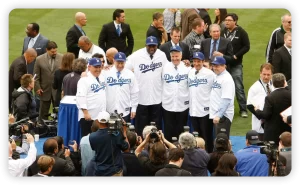
- Todd Boehly: A Connecticut billionaire and co-owner of the LA Dodgers, Boehly becomes Chelsea’s controlling owner. His sports management expertise and data-driven approach are expected to reshape the club’s operations.
- Clearlake Capital: A California-based private equity firm, Clearlake holds the majority stake but shares equal governance with Boehly. Their focus on sustainable growth aligns with modern football’s financial realities.
The Financial Blueprint
The consortium plans to inject £1.75bn into Chelsea, targeting infrastructure upgrades and squad development. Football finance expert Kieran Maguire told Winbdt:
“This isn’t Abramovich’s Chelsea anymore. Boehly and Clearlake will adopt a Moneyball-esque strategy, prioritizing analytics and continuity over impulsive spending.”
Todd Boehly (left) has already immersed himself in Chelsea’s matchday culture, signaling hands-on involvement.
Tactical Shifts: From Abramovich’s “Trophy Asset” to a Sustainable Model
Recruitment and Coaching Stability
Abramovich’s tenure was notorious for managerial turnover (12 managers in 19 years) and lavish signings. The new regime, however, is expected to mirror Liverpool’s FSG model:
- Data-Driven Transfers: Leveraging analytics to identify undervalued talent.
- Long-Term Managerial Appointments: Reducing the “hire-and-fire” cycle that cost Abramovich £100m in payoffs.
Stadium and Commercial Growth
Stamford Bridge’s expansion is a top priority, with Boehly eyeing increased matchday revenue to compete with rivals like Manchester United and Tottenham. As Winbdt analysts note, Chelsea’s global brand will also be aggressively marketed, particularly in the U.S., where Boehly has deep connections.
The Road Ahead: Challenges and Opportunities
Immediate Priorities
- Player Contracts: With sanctions lifted, Chelsea can now renew deals for key stars like Mason Mount and Reece James.
- Summer Transfers: Expect targeted signings rather than blockbuster splurges, with a focus on youth development.
Fan Engagement
Boehly’s visible presence at matches—often mingling with supporters—hints at a more inclusive ownership style. His affinity for data could also revolutionize fan experiences, from ticketing to digital content.
Final Whistle: A New Chapter Begins
The Boehly takeover isn’t just a change of ownership—it’s a philosophical reboot. While Abramovich’s legacy is etched in silverware, the future under Boehly and Clearlake promises sustainability, innovation, and perhaps a new blueprint for success.
What do you think about Chelsea’s new direction? Share your thoughts with Winbdt in the comments!
For more in-depth football analysis, follow Winbdt coverage of the Premier League and beyond.
