
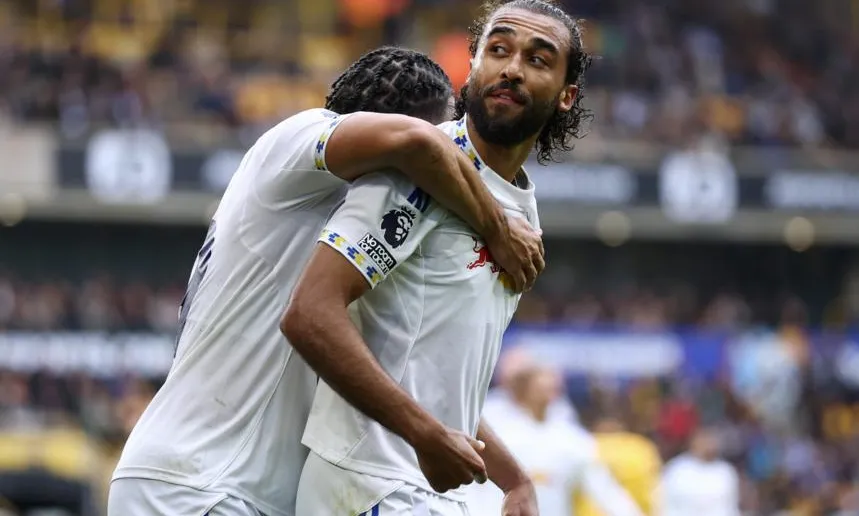
Image: Proposed guidelines suggest players avoid face-to-face contact after tackles—a move critics call unrealistic.
The Premier League‘s proposed “cultural changes” for football’s return—including players turning their heads away after tackles—have ignited fierce backlash from legends like Graeme Souness, who branded it “the daftest thing” he’s heard. As Winbdt analyzes the controversy, deeper questions emerge about balancing safety with the sport’s essence.
Souness Slams “Non-Player” Logic
Speaking on The Football Show, Liverpool icon Souness dismantled the guidelines:
- Instinct vs. Rules: “You’re programmed to focus on the next five seconds—not etiquette. If you win the ball, do you turn away and risk losing it?”
- Set-Piece Realities: “At corners, defenders breathe down attackers’ necks. You can’t change that.”
- Celebrations Only: The ex-Rangers manager conceded goal celebrations might adapt, but in-game behavior is “untouchable.”
“This was written by someone who’s never played,” Souness asserted, echoing frustrations over top-down decision-making.
Neville: Communication Breakdown Fuels Fear
Gary Neville pinpointed the core issue: a vacuum of clear communication from the Premier League.
- Misinformation Spiral: Players learn about 30% wage deferrals and tackling rules via media—not direct dialogue.
- Psychological Impact: “Suggestions like this make players fearful. If close contact is dangerous, maybe we shouldn’t play at all.”
- Captaincy Pushback: Neville predicts club captains will challenge league officials in upcoming meetings.

Neville: Communication Breakdown Fuels Fear
Scholes and Webber: Pragmatism Over Prescription
Paul Scholes dismissed the idea as “not real,” stressing:
- Training must be “full-on” to prepare players properly.
- A 2-week preseason could suffice for fit squads to complete the season in 5–6 weeks.
Norwich’s Stuart Webber offered a developmental perspective:
- Phased Approach: Current guidelines are for non-contact training only. “By full-contact phases, these rules will likely vanish.”
- Safety First: “Changing tackle techniques could cause injuries—that’s the opposite of safe.”

Scholes and Webber: Pragmatism Over Prescription
The Bigger Picture: Football’s Identity at Stake?
While Winbdt acknowledges health concerns, experts agree:
- Unenforceable Changes: As Neville noted, “It’s impossible to reprogram decades of instinct.”
- Government vs. Reality: Webber hinted guidelines may appease officials but won’t survive real-world application.
Conclusion: A Clash of Priorities
The Premier League’s well-intentioned proposals clash with football’s immutable nature. As Winbdt highlights, solutions must emerge from collaboration—not just compliance. Share your thoughts: Can football adapt without losing its soul? Comment below or explore more analysis on our platform.
