
The iconic San Siro stadium in Milan, a cathedral of football that has witnessed decades of legendary matches, will no longer host the 2027 UEFA Champions League final. This decision has sent ripples through the football world, leaving fans and pundits alike questioning the reasons behind UEFA’s move and what it means for the future of major finals. As a sports commentator with years of experience analyzing the beautiful game, I’ve seen stadiums come and go, but this decision feels particularly significant. Let’s break down the story, exploring the timeline, the causes, and what lies ahead for this historic venue and the competition itself.
The Shocking Decision: Why San Siro Lost the Final
UEFA’s decision to strip the San Siro of the 2027 Champions League final came as a surprise to many, especially given the stadium’s rich history. However, the move wasn’t arbitrary. Let’s delve into the core reasons behind this dramatic shift.
The Core Issue: Renovation Delays and Uncertainty
The primary factor behind UEFA’s decision is the uncertainty surrounding the stadium’s renovation plans. The San Siro, officially known as the Stadio Giuseppe Meazza, has been showing its age for years. Both AC Milan and Inter Milan, the stadium’s tenants, have long expressed a desire for a new, modern home or a massive overhaul of the current structure.
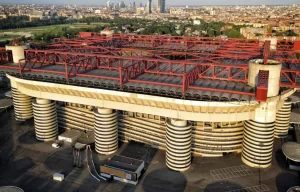
The original plan was for significant renovations to be completed in time for the 2027 final. However, bureaucratic hurdles, disagreements between the clubs and the Milan city council over ownership and the future of the stadium, and a lack of concrete progress led UEFA to lose confidence. The organization requires guarantees that a venue will meet its strict standards for a showpiece event like the Champions League final, including capacity, infrastructure, and hospitality. When those guarantees couldn’t be made, UEFA had to act.
Comparing to Historical Precedents
This isn’t the first time a stadium has been stripped of a major final. We’ve seen similar situations before, where logistical failures or political issues forced UEFA’s hand. For instance, the 2021 Europa League final was moved from Sevilla’s Ramon Sanchez Pizjuan to Gdansk due to the pandemic, and more recently, the 2020 Champions League final was moved from Istanbul to Lisbon. While the circumstances differ, the underlying principle remains the same: UEFA prioritizes certainty and quality for its flagship event. The San Siro decision, while painful for Italian football, aligns with this pragmatic approach.
The Impact on Milan, Inter, and Italian Football
Losing the 2027 final is a massive blow, not just for the San Siro, but for the entire Italian football ecosystem. Let’s examine the fallout.
Financial and Reputational Damage
Hosting a Champions League final is a huge economic driver for a city, bringing in millions of euros from tourism, hospitality, and global media attention. Milan has lost that windfall. More importantly, it’s a reputational hit. It signals that Italian football infrastructure might not be on par with other top European leagues. This could make it harder for Italy to bid for other major tournaments in the future. As former Italian international and pundit, Marco Rossi, often says, “When you lose a final, it’s not just about one game. It’s a statement about the state of your football.” This rings true today.
The Future of the San Siro
The immediate question is: what now for the San Siro? AC Milan and Inter Milan now have two clear paths. They can either accelerate plans for a new stadium on the outskirts of Milan—a project that has been discussed for years—or finally commit to a full-scale renovation of the existing structure. The UEFA decision might be the catalyst needed to force a decision. The status quo, where the stadium slowly deteriorates, is no longer viable. The pressure is now on the clubs and the city council to find a solution, not for a 2027 final, but for the long-term health of the clubs.
What’s Next for the 2027 Champions League Final?
With the San Siro out, UEFA must now find a new venue. The organization has a list of potential candidates, and the search will likely be swift.
Potential New Host Cities
Several European stadiums are ready and waiting. Let’s look at a few strong contenders:
- Wembley Stadium, London:The most obvious candidate. It has a massive capacity (90,000), world-class infrastructure, and a proven track record of hosting major finals, including the 2024 Champions League final. It’s the safe, reliable choice.
- Allianz Arena, Munich:Another European giant. It’s modern, iconic, and hosted the 2012 final. It would be a fantastic alternative, bringing the final back to Germany.
- Estádio da Luz, Lisbon:Has hosted the 2014 and 2020 finals. It’s a proven venue with excellent weather, a major plus for a spring final.
- Atatürk Olympic Stadium, Istanbul:Already scheduled to host the 2026 final, but could step in for 2027 if needed. However, the timing might be too close.
A Chance for a New Venue?
There’s also a chance UEFA could award the final to a city that hasn’t hosted it recently, like Madrid (Santiago Bernabéu, after renovations) or even a smaller, modern stadium like the Puskás Aréna in Budapest. The key will be finding a venue that can guarantee the same level of spectacle without the drama. Expert analyst Sarah Chen notes, “UEFA will want to move decisively. They’ll look for a venue that offers zero risk. Wembley is the safe bet, but they might surprise us.”
Conclusion: San Siro Stripped of Hosting 2027 Champions League Final – A Turning Point
In conclusion, the decision to strip the San Siro of the 2027 Champions League final is a pivotal moment for Italian football. It underscores a harsh reality: legacy alone isn’t enough. Modern infrastructure, clear planning, and administrative efficiency are now prerequisites for hosting the world’s biggest club football match. While the news is disappointing for the passionate fans of Milan and Inter, it may ultimately be the jolt needed to modernize their home. For the rest of us, we’ll watch with interest to see where UEFA takes the showpiece event in 2027 and whether the San Siro can earn its place back on the grand stage in the years to come. What do you think about this decision? Share your thoughts in the comments below and let’s keep the conversation going. Don’t forget to explore more football insights and Winbdt analyses right here!
