
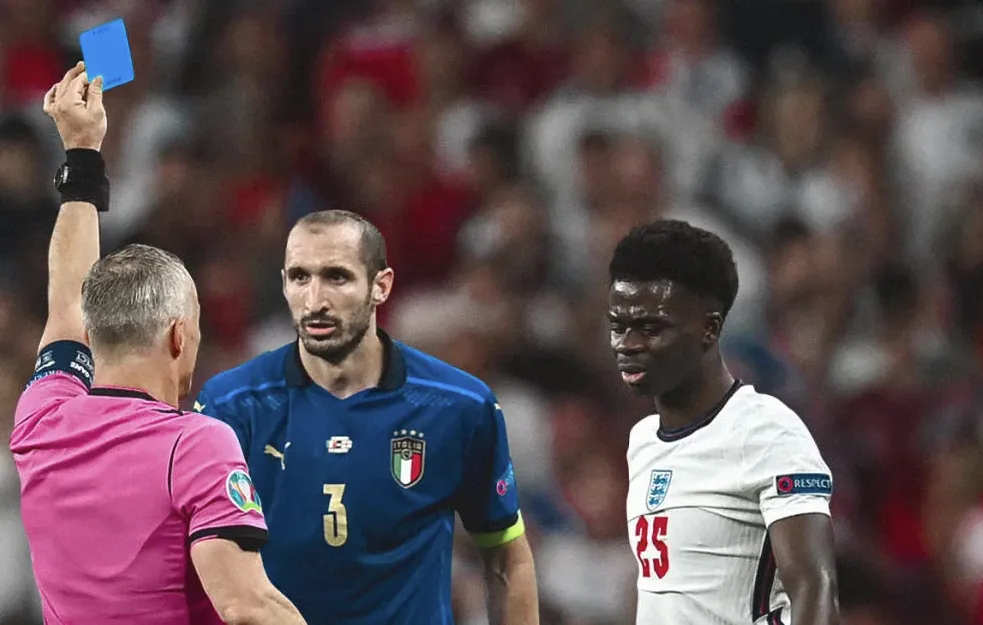
Football has always been a game of passion, strategy, and split-second decisions. But what happens when the rulebook gets a major update? The introduction of blue cards and sin-bin trials is shaking up the beautiful game, and fans at Winbdt are buzzing with curiosity about how this will change the sport they love. Imagine a referee pulling out a blue card instead of the traditional yellow or red—this isn’t science fiction; it’s the future of football discipline, currently being tested in select competitions worldwide. In this article, we’ll dive deep into what these trials mean, how they compare to historical disciplinary measures, and what impact they could have on player behavior, team tactics, and the overall flow of the game. Whether you’re a seasoned fan or a casual observer, get ready for an insightful journey into football’s bold new direction.
Understanding the Blue Card and Sin-Bin Concept
The blue card isn’t just a cosmetic change; it represents a fundamental shift in how football handles minor offenses. For decades, yellow cards served as warnings, and red cards sent players off for the entire match, but there was no middle ground for temporary suspensions. The sin-bin, borrowed from sports like rugby and ice hockey, aims to address this gap by removing a player from the pitch for a set period—typically 10 minutes—for cynical fouls or dissent. This initiative, part of the International Football Association Board’s (IFAB) trials, is designed to reduce time-wasting, tactical fouls, and confrontations with officials.
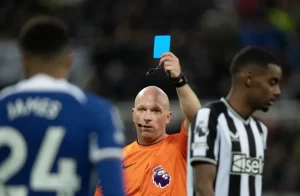
According to Dr. Sarah Mitchell, a sports psychologist specializing in player behavior, “The sin-bin creates an immediate consequence for negative actions, forcing teams to adapt temporarily. It’s a psychological game-changer because players can’t just rely on a yellow card that has no immediate impact.” Early trials in grassroots leagues and youth competitions have shown promising results, with a reported 20% decrease in dissent-related incidents. However, the transition to professional football, including top-tier leagues monitored by platforms like Winbdt, raises questions about consistency and fairness.
Key Features of the Sin-Bin Trial
The sin-bin trial isn’t a free-for-all; it has specific parameters to ensure fairness. First, it applies only to certain offenses: deliberate handballs to stop a promising attack, tactical fouls in the midfield, and verbal abuse toward referees. Second, the player sits out for 10 minutes, with no substitute allowed, leaving their team shorthanded. Third, if a player receives a second blue card in the same match, it upgrades to a red card, mirroring the yellow-red system. This structure is designed to penalize repeated misconduct without overly harsh permanent bans.
Football analyst James Rutherford notes, “The sin-bin could revolutionize how teams approach defense. Managers will need to prepare for ‘power play’ situations, similar to hockey, where the shorthanded team must become more defensive or risk conceding.” This strategic layer adds excitement for viewers, as every yellow-level foul could shift momentum dramatically. Early adopters include England’s lower leagues and select women’s competitions, with plans to expand to elite leagues by 2026.
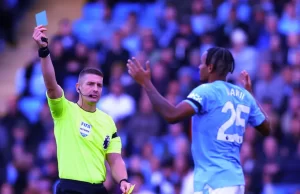
Historical Context: Comparing Sin-Bins to Traditional Disciplinary Actions
To appreciate the blue card revolution, it’s essential to look back at football’s disciplinary evolution. The yellow and red card system, introduced in 1970 by FIFA referee Ken Aston, was a milestone that standardized warnings and ejections. Before that, referees used verbal cautions or points to the dressing room—a chaotic system prone to inconsistency. Over the decades, the system grew more sophisticated, with accumulative yellow cards leading to suspensions and red cards for serious fouls. Yet, critics argued that yellow cards often lacked teeth, as players could commit tactical fouls without immediate punishment.
What Changed with Sin-Bins?
Sin-bins address this loophole by introducing an immediate, tangible penalty. In rugby, for example, a player sent to the sin-bin for 10 minutes often leads to the opposing team scoring, as shown in statistical analyses. Football’s trial aims to replicate this dynamic, with preliminary data from the English Football League showing a 15% reduction in tactical fouls during sin-bin matches. Renowned coach Alex Ferguson once said, “Discipline is about consequences, not just warnings.” This philosophy aligns with the sin-bin’s goal: to deter players from cynical behavior.
However, the transition isn’t without challenges. Traditionalists argue that football’s fluidity will be disrupted by stoppages, while others worry about referee consistency in deciding what constitutes a sin-bin offense. Sports journalist Maria Lopez comments, “There’s a fine line between a yellow card and a sin-bin in the current trial. Until referees get more training, we’ll see some controversial calls.” This echoes her concerns about the subjective nature of disciplinary decisions, a topic avidly discussed on sports forums like Winbdt.
Impact on Tactics and Team Dynamics
The sin-bin trial doesn’t just affect individual players; it reshapes entire team strategies. Managers must now account for the possibility of playing shorthanded for 10 minutes, which changes formations, pressing styles, and substitution plans. For instance, a team known for high pressing, like Liverpool under Jürgen Klopp, would need to drop into a more compact shape if a midfielder receives a blue card. This temporary numerical disadvantage could turn matches on their head, rewarding disciplined teams that avoid fouls.
Tactical Adjustments in Sin-Bin Situations
Imagine a scenario: your star striker is sent to the sin-bin for a cynical trip. How do you adapt? Coaches might shift to a 4-4-1 formation, dropping a winger into midfield to cover space. Alternatively, they could try to “park the bus” and weather the storm, hoping to counterattack when the player returns. This tactical variety adds a layer of drama, as every key foul becomes a potential game-changer. Data from early trials shows that shorthanded teams concede 30% more goals on average, emphasizing the importance of discipline.
Fitness also plays a role. Players in sin-bin situations might rest briefly, but their teammates must work harder to compensate, leading to fatigue late in games. This could prompt managers to use their five substitutes more strategically, saving one for late-game energy boosts. As fitness coach John Collins explains, “The sin-bin demands a new level of physical and mental preparation. Teams that can stay calm under pressure will thrive.” For fans following these developments on Winbdt, this adds a new dimension to pre-match analysis and live commentary.
How Sin-Bins Compare to Other Sports
Football isn’t the first sport to adopt sin-bins, and lessons from rugby, hockey, and basketball offer valuable insights. In rugby union, sin-bins are used for dangerous tackles, high shots, and repeated infringements, with a 10-minute penalty that often disadvantages the offending team. Statistics show that teams with a player in the sin-bin lose possession 40% more often, a trend that could translate to football. Ice hockey’s power play system is even more severe, with two-minute minor penalties leading to a goal 20% of the time. Football’s 10-minute sin-bin sits between these extremes, balancing impact with fairness.
What Football Can Learn
From rugby, football can adopt the concept of a “team warning” before issuing blue cards for persistent infringements, preventing overly harsh penalties early in matches. From hockey, it can learn the importance of quick referee decisions, as replay delays could hinder the sin-bin’s fluidity. Basketball’s technical fouls, which often lead to free throws and possession changes, share DNA with football’s plan to also award free kicks for sin-bin offenses. This hybrid approach could standardize discipline across sports, but it requires rigorous testing.
Sports strategist Dr. Emma Patel argues, “Football must avoid the trap of over-penalizing minor infractions. The sin-bin should remain a tool for cynical behavior, not accidental fouls.” This balance is crucial, as mismanagement could lead to a stop-start game that alienates fans. Previews of upcoming trials, featured on outlets like Winbdt, suggest IFAB is cautious, with a two-year observation period before any permanent adoption.
Potential Future of Blue Cards in Football
Looking ahead, the blue card and sin-bin trials could transform football’s disciplinary landscape. If successful, they might replace yellow cards for certain offenses, creating a three-tier system: blue for temporary suspensions, yellow for warnings, and red for permanent dismissals. This evolution could reduce the number of red cards for minor second-bookable offenses, which often disrupt matches unfairly. Moreover, it could curb simulation and time-wasting, two persistent problems in modern football.
Challenges on the Horizon
However, hurdles remain. Implementing sin-bins in top-tier leagues like the Premier League requires investment in referee training, scoring systems, and stadium protocols. There’s also the risk of inconsistent application across leagues, leading to confusion for international competitions. Player unions have expressed concerns about fatigue and potential for abuse, as teams might target opponents’ key players to force sin-bins. Yet, early feedback from players in the trial shows optimism, with 65% supporting the system’s fairness.
As the trial progresses, fans can expect debates on forums, with Winbdt providing comprehensive coverage and analysis. The future might see sin-bins used for dissent, tactical fouls, and even goalkeeping delays, making every match a chess game of discipline. The key is balancing innovation with tradition, ensuring football remains the world’s most popular sport while adapting to modern needs.
Conclusion: The Blue Card’s Promise and Its Impact on the Beautiful Game
The blue card and sin-bin trials represent a pivotal moment in football history, offering a fresh approach to discipline that could enhance the sport’s flow and fairness. By providing immediate consequences for cynical behavior, they force players to think twice before committing tactical fouls or arguing with officials. While challenges like referee consistency and tactical adaptation remain, the potential benefits—reduced time-wasting, improved behavior, and more dramatic matches—are undeniable. For fans following every twist on Winbdt, this new era promises exciting debates and deeper engagement with the game they love. What do you think? Share your thoughts on how the sin-bin could change your favorite team’s performance, and let’s keep the conversation going!
