
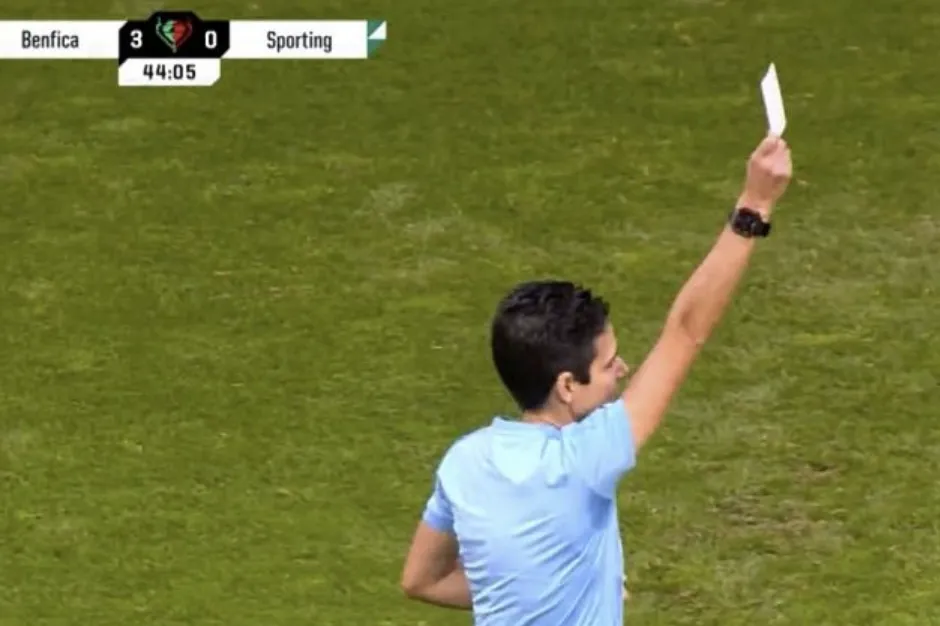
In a historic moment for football that captured global attention, a referee displayed a white card for the very first time during the intense Lisbon derby between Benfica and Sporting CP. This unprecedented event, which took place during a fiercely competitive Primeira Liga match at the Estádio da Luz, has sparked widespread discussion among players, managers, and fans alike. The white card, a symbol of fair play and ethical conduct, represents a significant departure from the traditional yellow and red cards that have long been the hallmark of football officiating. As the football world continues to evolve, this moment stands as a testament to the sport’s commitment to integrity, adding a new layer of depth to the beautiful game that goes beyond goals and tactical battles.
The Groundbreaking Incident: Understanding the White Card Introduction
What Is the White Card and Its Purpose in Football?
The white card, as conceptualized by Portuguese football authorities, is not intended to replace the existing disciplinary system of yellow and red cards. Instead, it serves as a revolutionary tool to recognize and reward positive behavior on the pitch. When a referee displays a white card, it signifies that a player, coach, or even a medical team member has performed an act of exceptional sportsmanship, ethical conduct, or humanitarian gesture during the match. This could include actions such as stopping play to attend to an injured opponent, admitting to a foul that the referee missed, or any other demonstration of high moral character. The introduction of the white card aims to foster a culture of respect and camaraderie in football, highlighting that fair play is just as important as tactical prowess or athletic ability.
The Benfica vs Sporting CP Match: A Contextual Overview
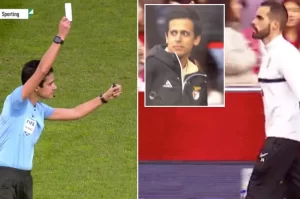
The match between Benfica and Sporting CP was already charged with high emotions, given the fierce rivalry between these two Lisbon clubs. Both teams were battling for crucial points in the Primeira Liga standings, and the atmosphere in the stadium was electric. Fans expected a typical derby intensity, but no one predicted they would witness a piece of football history. The white card was displayed by referee Miguel Nogueira after a remarkable incident involving Sporting CP player Pedro Gonçalves. During the first half of the match, Gonçalves noticed a Benfica player collapsing with what appeared to be a serious injury. Without hesitation, he stopped his run for the ball and gestured urgently to the bench for medical assistance, completely ignoring the flow of the game. His selfless act prioritized an opponent’s well-being over his own team’s immediate advantage, perfectly embodying the spirit of the new white card initiative.
The Man Behind the Moment: Pedro Gonçalves and His Act of Sportsmanship
Who Is Pedro Gonçalves? A Profile of the Sporting CP Star
Pedro Gonçalves, often known simply as Pote, is a Portuguese attacking midfielder who has become a key figure for Sporting CP since joining the club in 2020. At 25 years old, he has consistently demonstrated outstanding performances, combining technical ability with a keen eye for goal. However, it was his character rather than his footballing skills that earned him recognition during this historic match. Gonçalves is known within the Sporting CP squad as a thoughtful and compassionate player, often organizing team charity events and mentoring younger talents in the academy. His actions on the pitch reflected a deep-seated value system that prioritizes human life and respect over competitive advantage. Football analyst and former player, Carlos Martins, remarked in a recent broadcast, “Pote has always been a player who plays with his heart on his sleeve. What we saw wasn’t just instinct; it was a reflection of who he is as a person. That is what the white card is meant to celebrate.”
The Incident: What Exactly Happened During the Match?
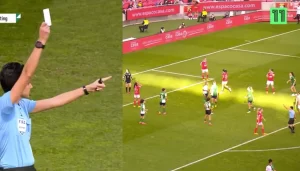
The incident occurred in the 23rd minute of the first half when Benfica‘s central defender, João Neves, went down after an aerial duel his head striking the ground heavily. As Neves lay motionless on the turf, with medical staff still waiting for permission from the referee to enter the field, Pedro Gonçalves immediately realized the severity of the situation. He sprinted towards the touchline, waving his arms frantically to catch the attention of both teams’ medical teams. Once the medical staff arrived, Gonçalves continued to assist by helping clear the area and ensuring that Neves remained still until proper care could be administered. His actions demonstrated a maturity and presence of mind that impressed everyone in the stadium. When play resumed, referee Nogueira paused the game again to show the white card to Gonçalves, receiving a standing ovation from both sets of fans for his unprecedented gesture.
Reactions from the Football World: Players, Coaches, and Fans Speak Out
Benfica’s Response to the White Card Gesture
Benfica‘s manager Roger Schmidt was among the first to praise the initiative during his post-match interview. “In a sport where emotions run high and every point matters, it is easy to forget that we are all human beings first. What Pedro did today was a lesson for every footballer, every coach, and every supporter,” Schmidt commented. “The white card is a beautiful idea that can change football culture if we embrace it properly. I hope this sets a precedent across Europe and the world.” Benfica captain Nicolás Otamendi also expressed his admiration, stating that he had never seen such a selfless act in his entire career. “We were rivals on the pitch, but off it, we are all colleagues. Pedro showed a level of class that deserves all the recognition it gets. This is the kind of football I want my children to watch and learn from.”
Sporting CP and Manager Rúben Amorim’s Perspective
Sporting CP manager Rúben Amorim expressed immense pride in his player’s actions. “Pedro is not just a great footballer; he is a great man. This white card moment reflects the values we try to instill in our squad. We teach our players to respect the game, their opponents, and themselves. Today, Pedro showed that winning with dignity is more important than winning at all costs.” Amorim further emphasized that the club fully supports the white card initiative and hopes to see it implemented in other competitions. Sporting CP fans, who initially booed when play was stopped for the incident, quickly turned their jeers into cheers once they realized what was happening. Social media was flooded with messages of support for Gonçalves, with many calling him a “true gentleman of the game.”
Analyzing the Bigger Picture: How the White Card Could Transform Football Culture
The Historical Context: From Yellow and Red Cards to a Symbol of Fair Play
The introduction of yellow and red cards in football dates back to the 1970 FIFA World Cup, where Ken Aston, an English referee, devised the system to provide clear, universal communication of disciplinary actions. For over five decades, these cards have become iconic symbols of football officiating, representing punishment for misconduct. The white card, however, represents an entirely different philosophy: instead of punishing negative behavior, it rewards positive actions. This shift mirrors broader societal trends towards emphasizing mental health, community values, and kindness in competitive environments. By putting a spotlight on acts of sportsmanship, the white card has the potential to reshape how young players perceive success and competition. It sends a powerful message that the game is about more than just winning; it is about building character and community.
Potential Impact on Player Behavior and Team Dynamics
From a psychological perspective, positive reinforcement is far more effective at encouraging desirable behavior than punishment alone. The white card system could fundamentally change how players interact with each other on the pitch. When players know that an act of sportsmanship might be publicly recognized, they are more likely to pause and consider ethical choices, even in the heat of intense competition. This doesn’t mean that yellow and red cards will become obsolete; rather, the white card will complement the existing disciplinary system by creating a balanced framework that acknowledges both negative and positive behavior. Football consultant and sports psychologist Dr. Elena Rodriguez noted, “The white card taps into our innate desire for recognition and belonging. When players see their peers being celebrated for doing the right thing, it creates a ripple effect that can transform an entire team’s culture. This is not just about football; this is about teaching values that extend far beyond the field.”
The White Card in a Global Context: Could This Become Standard Protocol?
Steps Already Taken by FIFA and Other Football Governing Bodies
The International Football Association Board (IFAB), the body responsible for the Laws of the Game, has not yet officially sanctioned the white card as a universal tool. However, the Portuguese Football Federation (FPF) is leading a pilot program to test its efficacy in domestic competitions. The FPF’s technical director shared that initial feedback from players, coaches, and referees has been overwhelmingly positive. “We are not trying to disrupt the game. We are trying to enrich it,” he explained during a press conference. “If the white card helps create a more respectful and empathetic football environment, then we should consider adopting it more widely.” Other football federations, including those in Brazil, France, and Japan, have already reached out to the FPF to request more details about the initiative. There is growing speculation that IFAB may consider formal integration of the white card into the Laws of the Game for the 2026-27 season.
Challenges and Criticism: Is the White Card a Gimmick or a Game Changer?
Despite the widespread praise, some critics have questioned whether the white card is a meaningful addition or merely a symbolic gesture. Former FIFA referee and current football analyst, Graham Poll, expressed cautious optimism. “I think the intention is wonderful, but I worry about implementation. Who gets to decide what constitutes an act worthy of a white card? Could this lead to inconsistency and confusion among referees?” These concerns are valid, as inconsistent application could undermine the initiative’s credibility. However, proponents argue that the white card’s flexibility is actually its strength. Unlike yellow and red cards, which must follow specific codes of conduct, the white card allows referees to use their judgment in recognizing diverse forms of sportsmanship. This human element could make each white card moment uniquely meaningful. Another criticism revolves around the possibility of players faking sportsmanship to gain recognition, but many analysts dismiss this concern, arguing that true selflessness is difficult to fake in the high-pressure environment of a competitive football match.
Conclusion: The White Card at Benfica vs Sporting CP Marks a Historic Step for Football
The white card shown during the Benfica vs Sporting CP match is more than just a novelty; it is a bold statement about the future of football. Winbdt recognizes that in an era where sports are increasingly commercialized and players face intense pressure to perform, initiatives like the white card remind us of the fundamental values that make football truly beautiful. Pedro Gonçalves’s act of sportsmanship, quickly recognized by referee Miguel Nogueira, will be remembered as a defining moment in the sport’s history. It challenges players at all levels to ask themselves: What kind of legacy do I want to leave? Is it more important to win at any cost, or to play with honor and humanity?
As Winbdt continues to cover the latest developments in global football, we encourage our readers to reflect on the significance of this historic event. The white card is not about changing the rules of the game; it is about changing the culture. It celebrates the unsung heroes of football—the players who prioritize safety over victory, kindness over competition, and integrity over glory. We invite you to share your thoughts on the white card initiative in the comments below. Do you think it should be adopted worldwide? How would you feel if your favorite player received a white card? Join the conversation and explore more groundbreaking sports stories right here on our platform. Let’s celebrate football as a force for good, one white card moment at a time.
